Tucktec — Kayaks
Tucktec Kayaks: Built for the Explorer Who Refuses to Be Anchored
Tucktec kayaks serve paddlers who refuse to let logistics dictate their adventures. The brand speaks directly to travelers, apartment dwellers, and outdoor enthusiasts who lack garage space for traditional hardshell kayaks but demand the performance of one. Every Tucktec model addresses the fundamental barrier between paddlers and the water — the impossibility of transporting and storing a full-size kayak without a truck, roof rack, or dedicated storage facility.
The target audience spans weekend warriors who want spontaneous lake trips, RV travelers seeking compact gear that fits their mobile lifestyle, and urban adventurers who navigate subway stairs before reaching their favorite waterways. Tucktec understands that the best kayak is the one you actually use, and accessibility drives every design decision. The brand eliminates excuses by creating vessels that fold flat, fit in closets, and travel in car trunks.
Beyond convenience, the community includes fishing enthusiasts who need stealth access to remote waters, photographers seeking stable platforms for wildlife shots, and families introducing children to paddling without major equipment investments. The brand democratizes kayaking by removing the traditional barriers of cost, space, and transportation that keep recreational paddlers shore-bound.
From Flatwater Lakes to Coastal Bays: The Complete Lineup
The product range addresses diverse paddling environments through thoughtfully differentiated models. Each vessel targets specific water conditions while maintaining the core promise of portability and assembly simplicity. The lineup progresses from entry-level recreational options to performance-oriented designs capable of handling coastal conditions and longer expeditions.
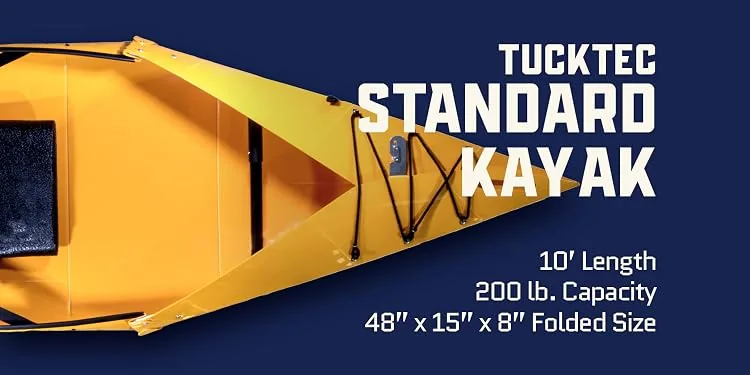
Standard models excel in calm lakes, ponds, and slow-moving rivers where stability and ease of paddling take priority. These versions feature wider beam widths and flatter hull profiles that forgive beginner mistakes while providing comfortable seating for extended sessions. The construction accommodates paddlers across weight ranges without sacrificing the quick setup that defines the brand.
Advanced configurations incorporate tracking fins, reinforced hulls, and streamlined profiles for paddlers tackling choppier conditions. These models suit experienced kayakers who understand paddle technique and seek vessels capable of covering distance efficiently. The range ensures that upgrading within the ecosystem remains seamless, allowing paddlers to progress without abandoning the portable format they depend on.
The Folding Revolution: How Sheet-Form Construction Changes Everything
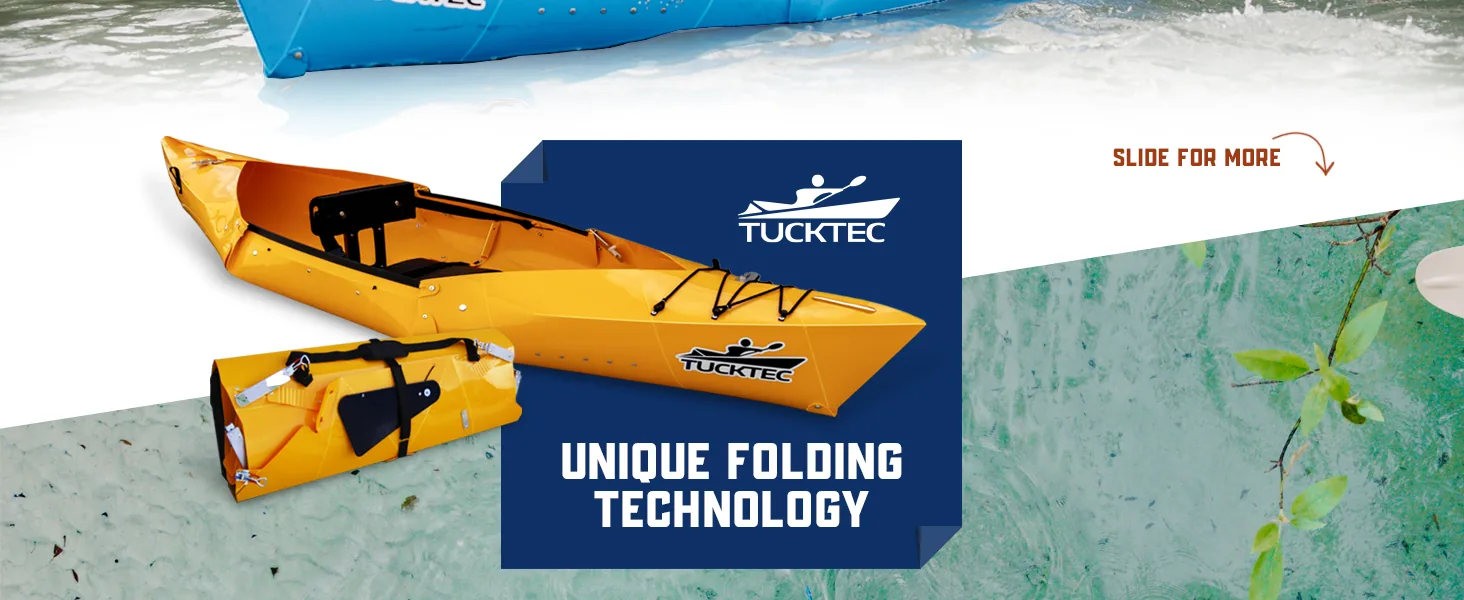
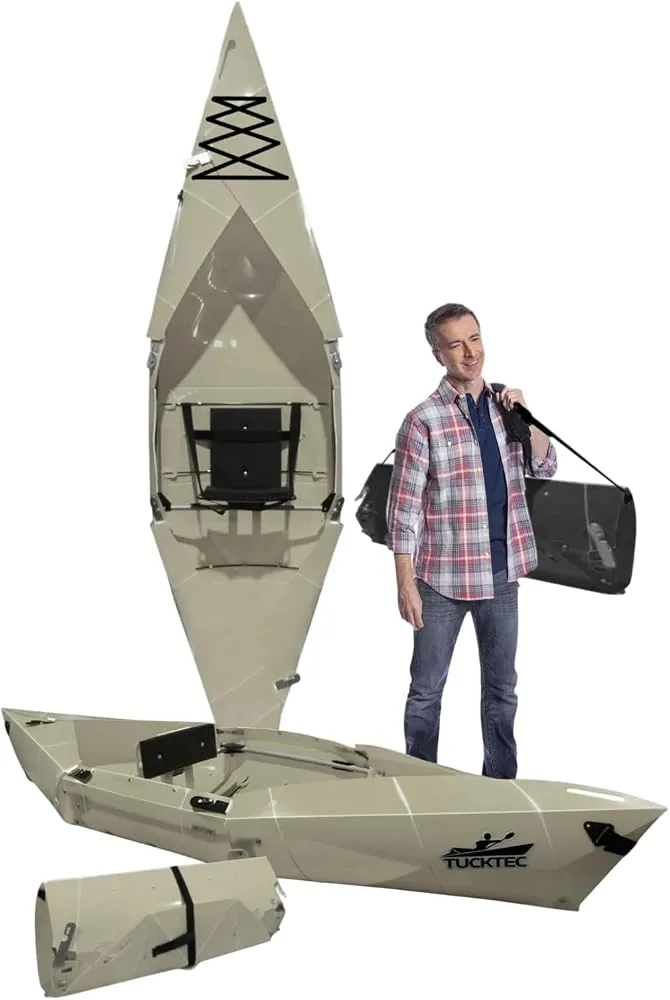
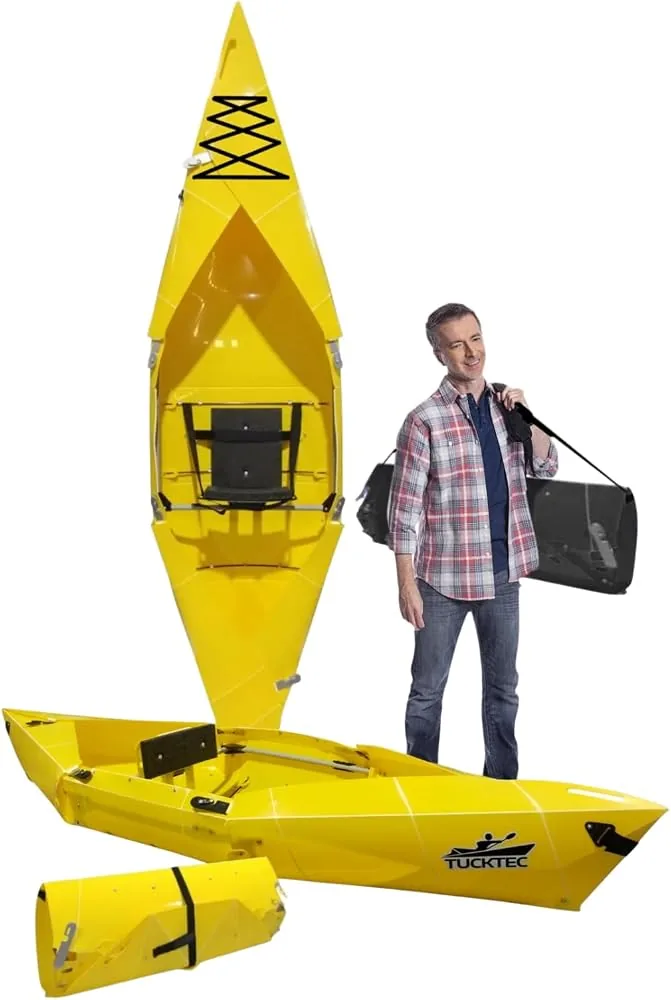
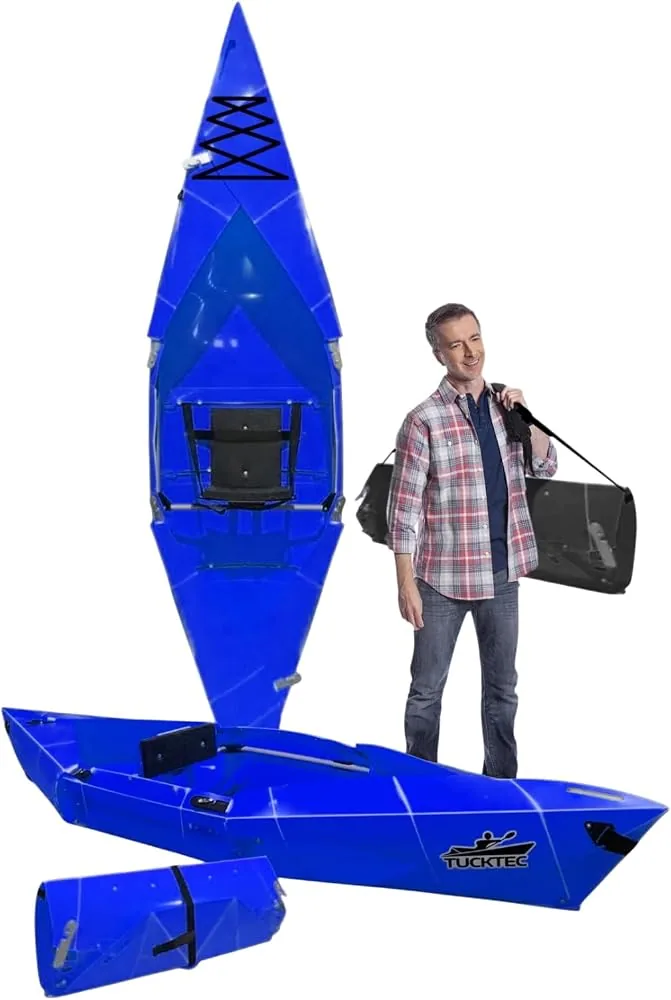
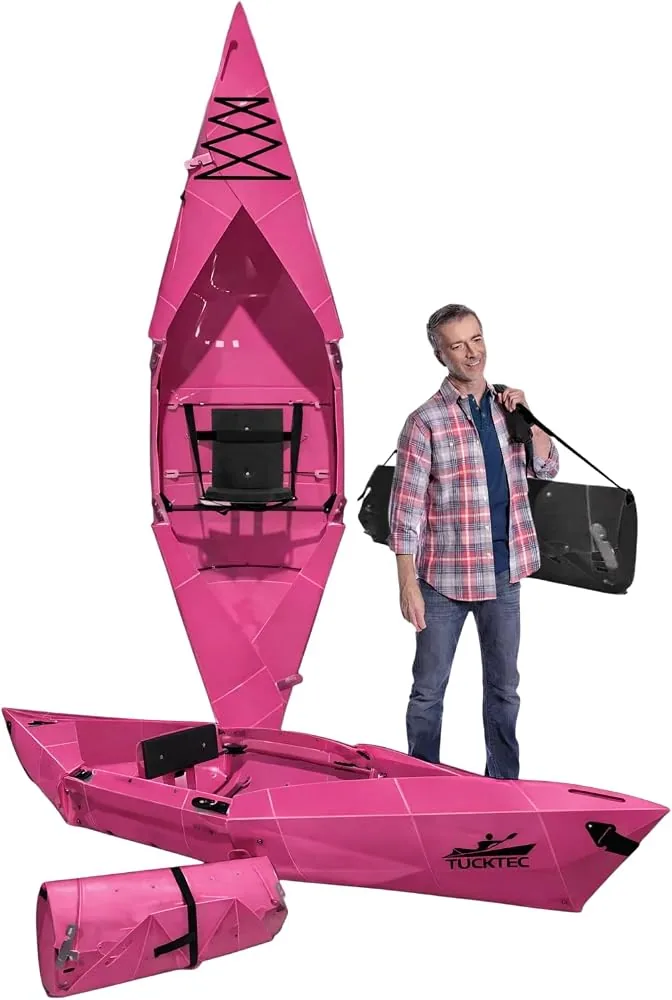
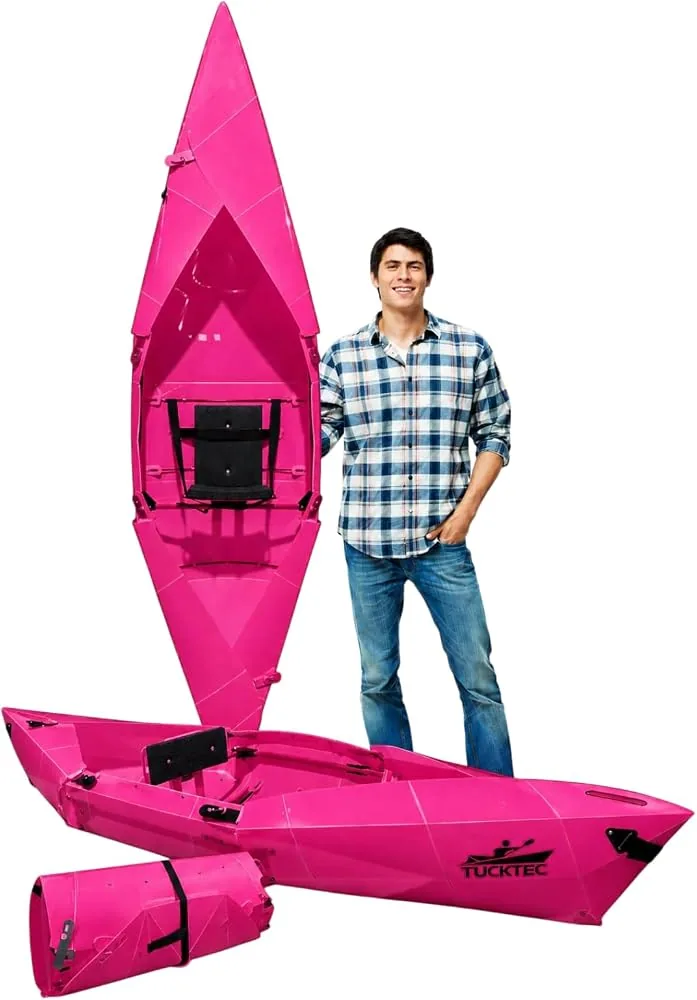
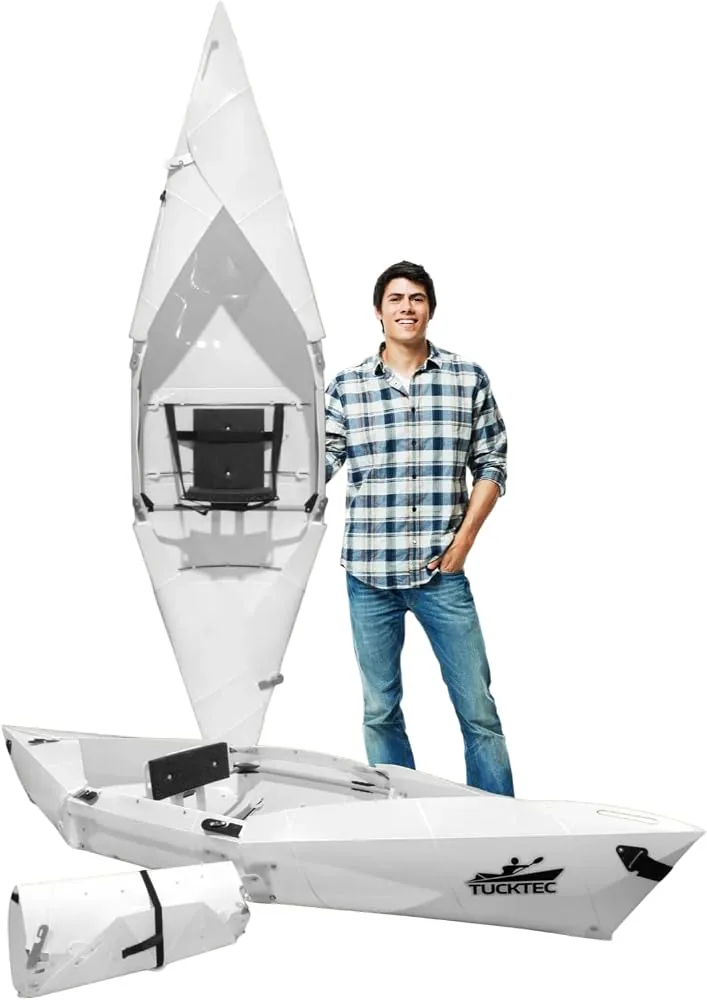
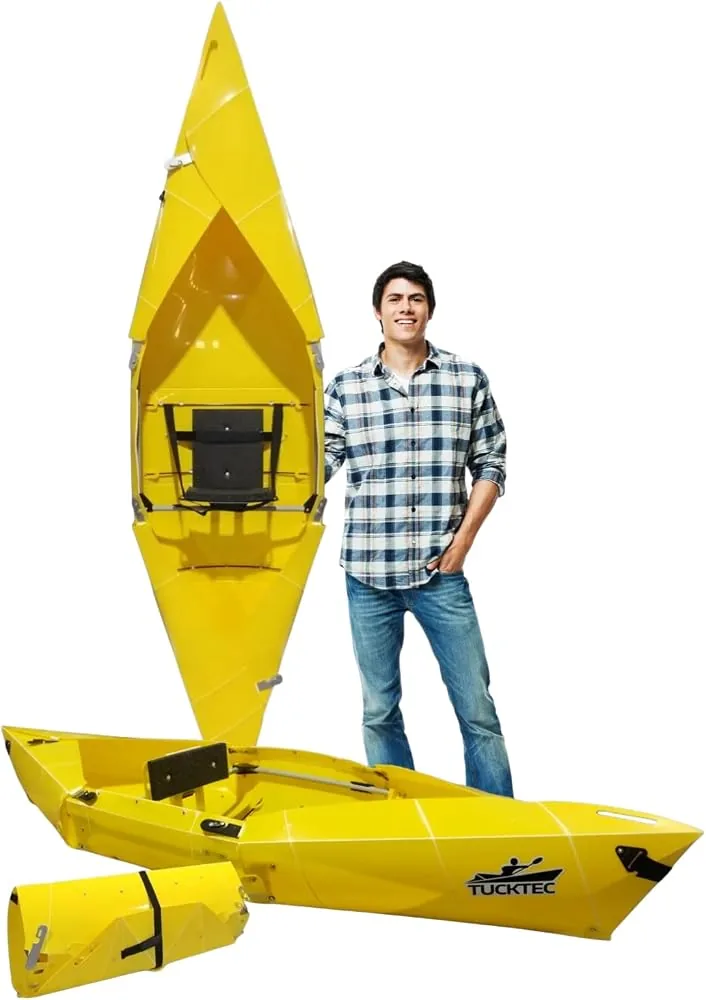
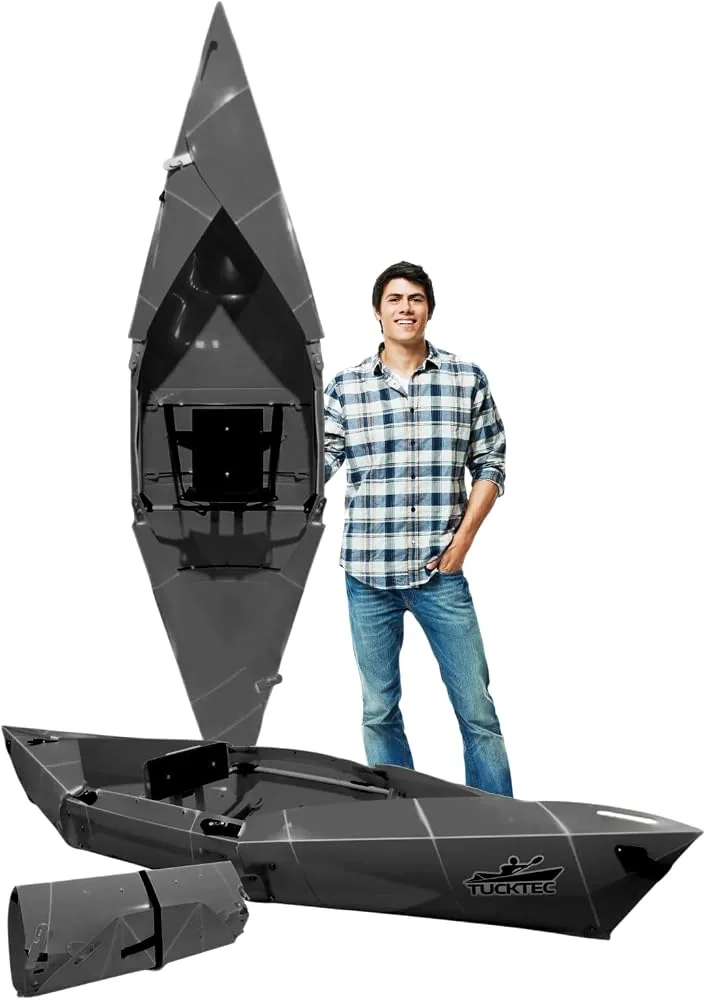
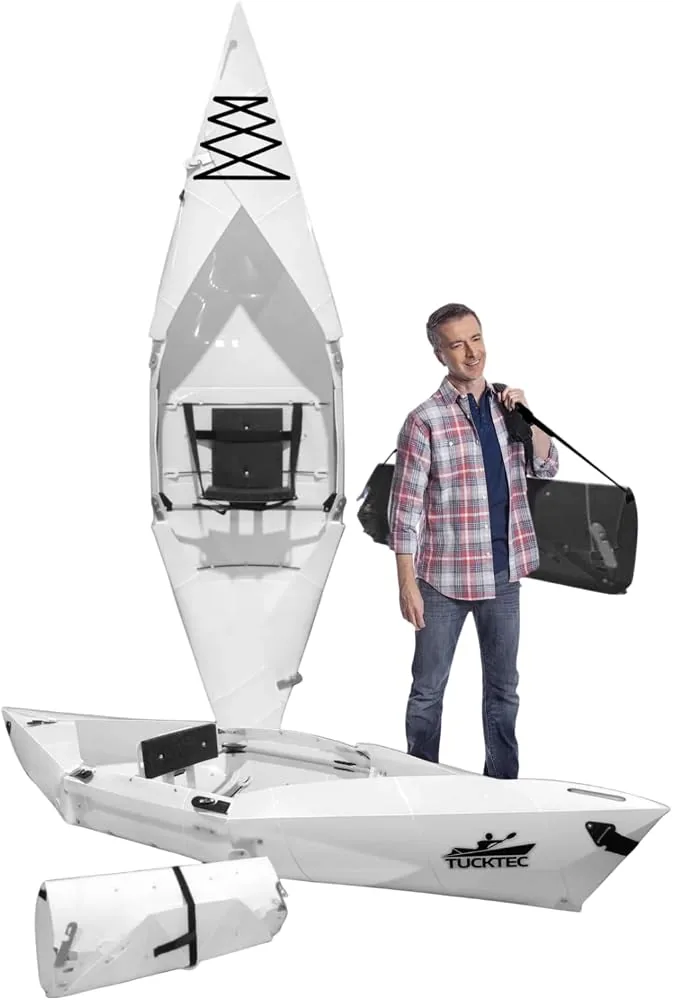
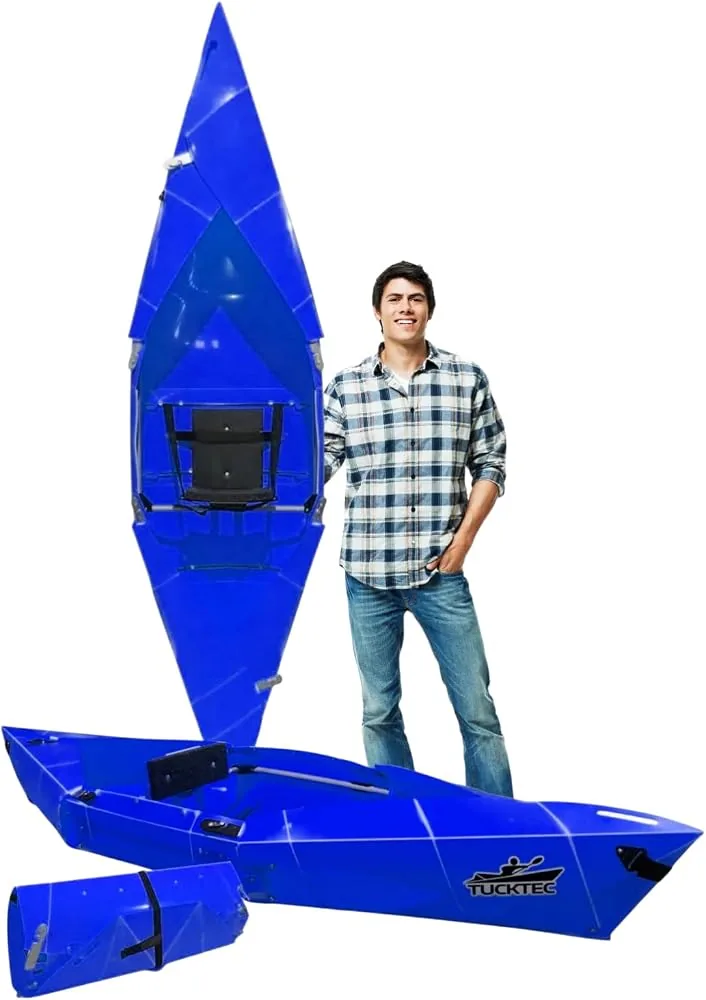
Traditional folding kayaks require complex frame assemblies, fabric skins, and significant setup time. Tucktec pioneered a radically different approach using single-sheet polypropylene that transforms from a flat panel into a rigid vessel through strategic fold lines and locking mechanisms. This sheet-form construction eliminates the multiple components that plague conventional portable kayaks while delivering structural integrity comparable to rotomolded hardshells.
The engineering relies on proprietary fold geometry that creates natural rigidity when the sheet assumes its three-dimensional kayak shape. Strategic creases function as structural members, distributing stress across the hull rather than concentrating it at connection points. This approach means no fabric tears, no frame corrosion, and no gasket failures that sideline other portable designs.
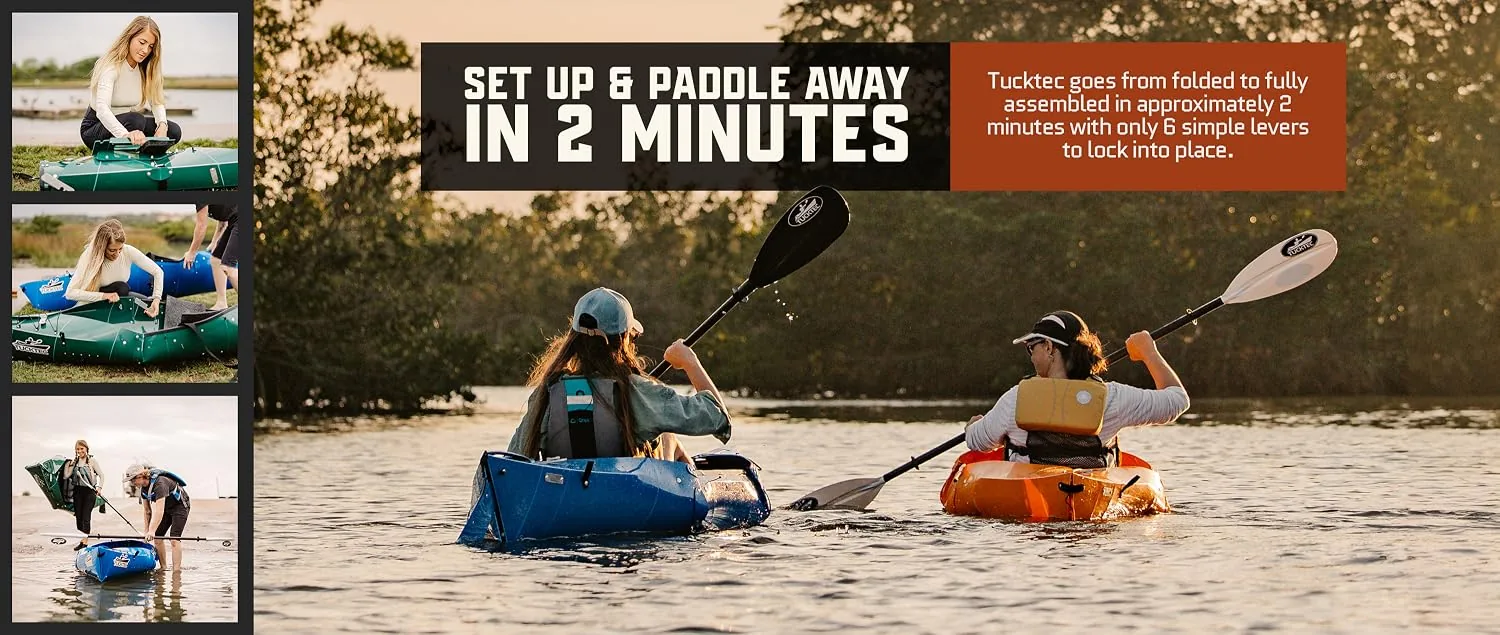
Assembly requires no tools and takes approximately ten minutes for first-time users, dropping to under five minutes with practice. The locking system secures the hull shape without requiring constant tension or pressure. Once locked, the vessel performs as a single unified structure rather than a collection of assembled parts, providing the paddling confidence that inflatable alternatives cannot match.
The material itself contributes to performance through inherent UV resistance, chemical stability, and impact tolerance. Unlike fabric-based folders that degrade with sun exposure or inflatables vulnerable to punctures, the polypropylene construction shrugs off typical recreational abuse. Dragging across gravel beaches, minor collisions with submerged obstacles, and years of UV exposure fall within normal operating parameters.
Tucktec Kayaks Feature Breakdown: Portability Meets Performance
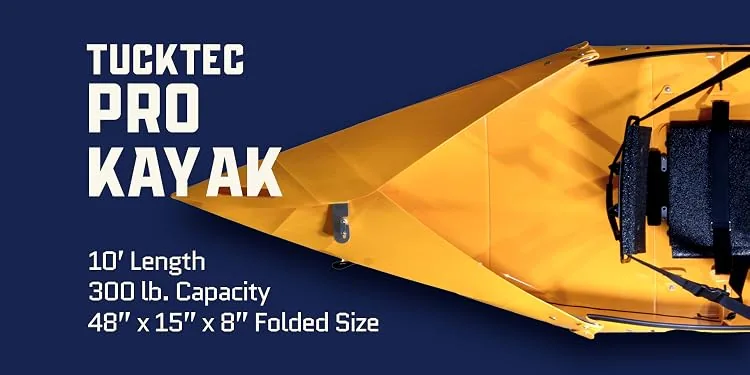
- 10-Foot Length Standard The primary model spans ten feet, delivering the tracking stability of traditional recreational kayaks while maintaining the compact folded dimensions necessary for trunk transport.
- 28-Pound Total Weight Complete vessels weigh under thirty pounds, enabling single-person carries from parking lot to launch point without carts or assistance.
- Folds to 4-Inch Thickness Collapsed dimensions allow storage in apartment closets, under beds, or in vehicle trunks alongside other gear.
- 300-Pound Weight Capacity Hull design supports paddlers plus gear loads up to three hundred pounds, accommodating fishing equipment, coolers, and overnight supplies.
- Integrated Seat Mounting Factory-installed mounting points accept standard kayak seats, eliminating aftermarket modification requirements.
- Tracking Fin System Removable skeg improves straight-line performance in open water while allowing removal for shallow-water navigation.
- UV-Stabilized Material Polypropylene formulation resists degradation from prolonged sun exposure, extending service life beyond typical recreational inflatables.
The Original 10-Footer: Why This Model Dominates Sales
The flagship ten-foot model accounts for the majority of sales because it strikes the optimal balance between portability and on-water capability. This version delivers genuine kayak performance — tracking, speed, and stability — while folding small enough to accompany airline travel or fit behind an apartment couch. The sweet spot appeals to paddlers who previously compromised between inadequate inflatables and impractical hardshells.
Repeat customers frequently cite the moment of first assembly as transformative. Watching a flat sheet become a functional kayak in minutes converts skeptics into advocates. The ten-foot model serves as the entry point for most paddlers, and its reliable performance creates the trust that drives accessory purchases and eventual upgrades within the product line.
Fishing configurations of this model prove particularly popular, with anglers appreciating the stealth approach enabled by silent, rigid hull construction. Unlike inflatables that flex and create water disturbance, the polypropylene hull glides without announcing the paddler's presence. Rod holders, anchor systems, and fish finder mounts integrate through factory-compatible attachment points.
Polypropylene Engineering: The Science Behind the Sheet
Material selection determines the entire product category's viability. Tucktec builds exclusively with high-density polypropylene, chosen for its unique combination of flexibility during folding and rigidity when deployed. This thermoplastic maintains structural memory across thousands of fold cycles while resisting the fatigue cracking that would destroy lesser materials under repeated stress.
The specific polypropylene grade undergoes UV stabilization treatment during manufacturing, incorporating additives that neutralize ultraviolet radiation before it can initiate polymer chain degradation. This chemical protection extends hull service life dramatically compared to untreated plastics or fabric materials, which visibly deteriorate within seasons of outdoor use.
Chemical resistance proves equally important for paddlers accessing diverse waterways. The hull material shrugs off exposure to saltwater, chlorinated pools, brackish estuaries, and the petroleum-derived contaminants present in many recreational waters. Cleaning requires only freshwater rinse, with no specialized treatments necessary to maintain material integrity.
Impact tolerance allows aggressive use in rocky environments where inflatable alternatives would suffer catastrophic failure. The polypropylene absorbs collision energy through localized deformation, then returns to original shape without permanent damage. Scratches and scuffs from normal use create no structural concerns, though they do tell stories of adventures completed.
Dawn Patrols and Sunset Sessions: Real Performance on Real Water
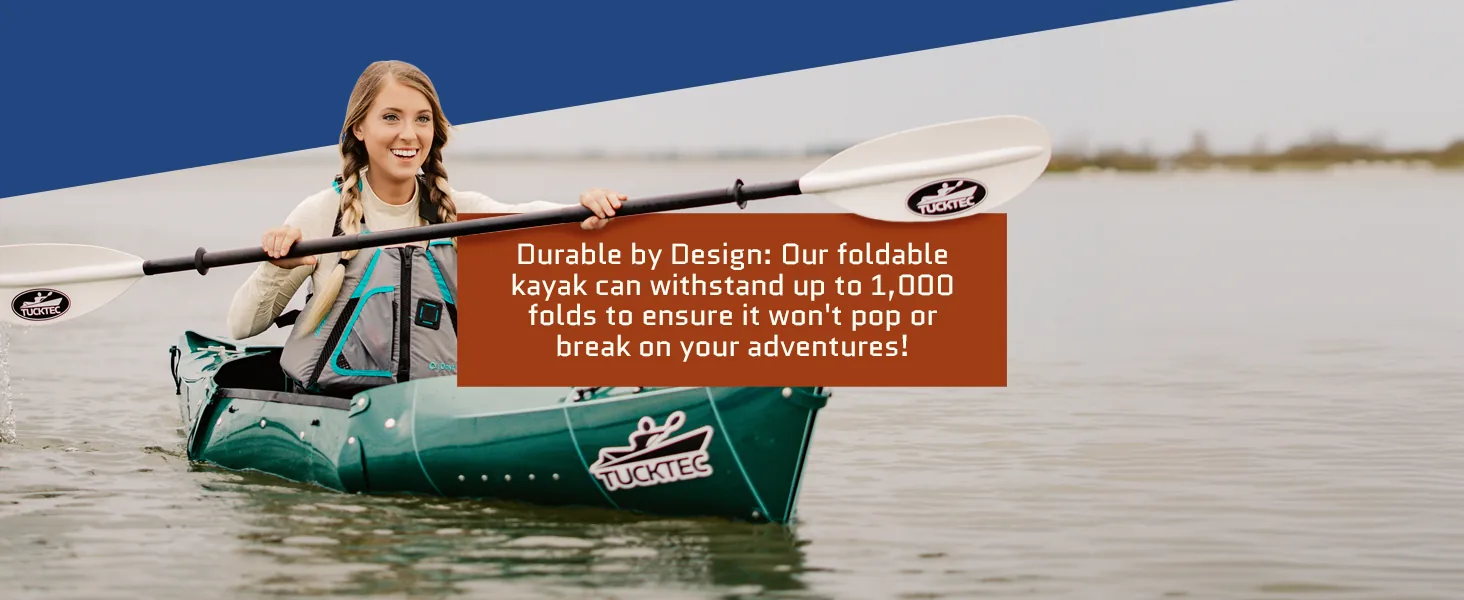
On-water performance validates the engineering promises made on spec sheets. Paddlers report tracking behavior comparable to entry-level rotomolded kayaks, with the skeg system enabling confident straight-line paddling across open water. The hull shape generates adequate primary stability for photography, fishing, and wildlife observation while maintaining secondary stability sufficient for experienced paddlers to edge during turns.
Speed falls within expected recreational parameters — fast enough for casual touring, exploration, and exercise paddling without approaching performance kayak territory. The hull prioritizes stability and accessibility over raw pace, correctly matching the expectations of the target audience. Paddlers seeking racing performance look elsewhere; those wanting reliable recreation find exactly what they need.
Durability assessments from multi-year owners confirm the material's longevity claims. Units with hundreds of deployment cycles show wear patterns limited to cosmetic scuffing. Fold lines maintain integrity without cracking or stress whitening. Locking mechanisms retain positive engagement. The vessels age gracefully, gaining character without losing capability.
Comfort during extended sessions depends heavily on seat selection, with factory recommendations pointing toward supportive options that attach cleanly to integrated mounting points. Paddlers who invest in quality seating report multi-hour sessions without the discomfort associated with cheap aftermarket alternatives. Leg positioning accommodates various paddler heights through adjustable footbrace placement.
Tucktec Kayaks Setup Guide: From Trunk to Water in Minutes
- Unfold on Flat Ground Select a smooth surface free of sharp debris. Grass, sand, or padded car mats protect the hull bottom during assembly.
- Release Fold Locks Sequentially Follow the numbered release sequence to allow controlled unfolding without fighting material tension.
- Form the Bow Section First The front assembly locks into position before addressing the stern, creating a stable reference for remaining steps.
- Engage Hull Locking Straps Integrated straps create hull rigidity by pulling the folded edges into their final locked positions.
- Install Seat and Accessories Attach seating, footbraces, and accessories before launch. Adjustment on water proves difficult.
- Attach Skeg for Open Water The tracking fin slides into its mounting channel for lake and bay paddling. Remove for shallow creek navigation.
- Post-Paddle Rinse and Dry Freshwater rinse removes salt, sand, and organic material. Air dry before folding to prevent mildew development.
Weight Limits, Fit Considerations, and Safe Loading
The three-hundred-pound capacity rating represents combined paddler and gear weight, not paddler weight alone. A two-hundred-pound paddler safely loads seventy to eighty pounds of equipment while maintaining adequate freeboard and hull performance. Exceeding capacity ratings degrades stability, tracking, and material stress margins, creating conditions the design never intended to address.
Paddler height affects comfort more than capability. Taller users may need to adjust footbrace positions to their maximum forward settings while selecting seats with adequate back support for extended legs. The cockpit accommodates most adult body types without restriction, though paddlers exceeding six feet four inches should verify leg positioning before purchase.
Gear distribution impacts vessel handling significantly. Heavy items belong low and centered, with weight balanced between bow and stern. Coolers, tackle boxes, and camera equipment should be secured rather than loose, preventing shifts during paddle strokes or wave action. Proper loading transforms the paddling experience while improper loading creates frustrating handling characteristics.
The Perfect Vessel for the Space-Constrained Adventurer
Ideal Paddler Profiles
- Apartment and condo dwellers without garage storage
- RV and van life travelers prioritizing compact gear
- Airline travelers wanting to bring their own kayak
- Urban adventurers using public transit to reach water
- Vacation rental guests who refuse to rent inferior equipment
Perfect Use Scenarios
- Spontaneous after-work lake sessions
- Backcountry fishing access on remote waters
- Multi-destination road trips with limited cargo space
- International travel with checked kayak luggage
- Family outings where multiple compact vessels beat one bulky boat
Selecting the Right Kayak Configuration for Your Paddling Style
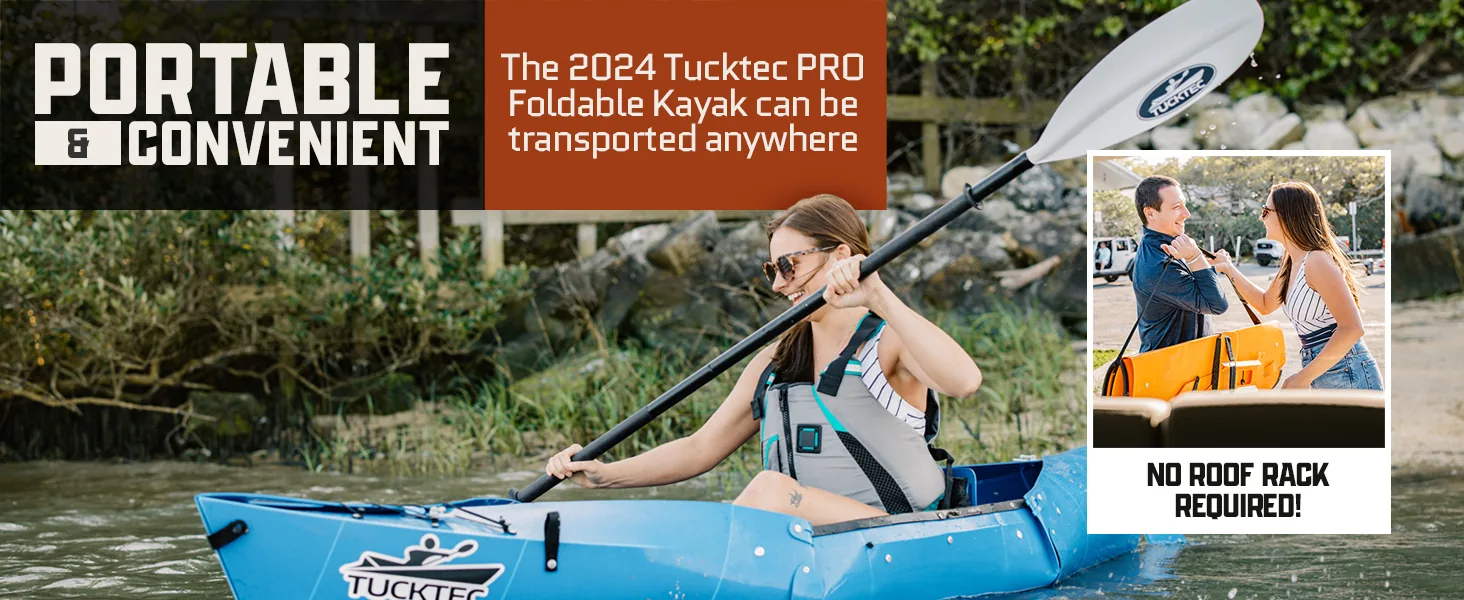
Model selection begins with honest assessment of intended use. Paddlers planning calm-water recreation, photography floats, and casual fishing need the standard configuration with its emphasis on stability and ease of use. Those anticipating coastal exploration, longer distances, or choppier conditions benefit from upgraded versions featuring enhanced tracking systems and streamlined profiles.
Weight considerations extend beyond raw capacity numbers. Heavier paddlers should prioritize stability-focused configurations even if total weight falls below maximum ratings. The physics of hull displacement and center of gravity affect perceived stability regardless of stated limits, and matching hull characteristics to paddler size creates better experiences than maximizing load ratings.
Accessory compatibility influences long-term satisfaction. Paddlers who fish, photograph, or camp from their vessels should verify that desired rod holders, camera mounts, and gear attachment systems integrate with chosen models. Factory accessory compatibility ensures clean installation and reliable performance, while aftermarket modifications may compromise warranty coverage or structural integrity.
Budget allocation should include seating, paddle, and safety gear in addition to the vessel itself. The hull represents the foundation, but overall paddling experience depends equally on supporting equipment. First-time buyers often underestimate accessory costs, leading to suboptimal experiences when quality seating and proper paddles get deferred for budget reasons.
Tucktec Kayaks vs. Traditional Portable Options: The Comparison
| Feature | Tucktec | Inflatable Kayaks | Frame-and-Skin Folders |
|---|---|---|---|
| Setup Time | 5-10 minutes | 10-20 minutes (inflation required) | 15-30 minutes (frame assembly) |
| Packed Size | 4 inches thick, flat | Varies by model, bulky when rolled | Long frame sections limit storage |
| Weight | 28 pounds | 25-40 pounds with pump | 30-50 pounds with frame |
| Puncture Risk | None — rigid material | High — air chambers vulnerable | Moderate — fabric skin exposure |
| Tracking Performance | Excellent with skeg | Poor — hull flex reduces control | Good — traditional hull shapes |
| Durability Rating | 10+ years typical | 3-5 years before air leak issues | 5-10 years with fabric maintenance |
| Price Range | $$$ | $-$$$ | $$$$ |
| Airline Travel | Excellent — checks as luggage | Good — compresses into bags | Difficult — frame length restrictions |
Performance comparisons based on recreational-grade models across categories. Premium options in each category may exceed baseline specifications.
Keeping Your Vessel Ready: Storage, Cleaning, and Longevity
- Freshwater Rinse After Every Use Salt, sand, and organic matter accelerate wear on fold lines and locking mechanisms. Quick rinses prevent buildup.
- Complete Drying Before Storage Folding while damp creates mildew conditions between material layers. Air dry in shade before collapsing.
- Store Flat When Possible While vertical storage works temporarily, flat storage distributes weight evenly and prevents crease stress concentration.
- Avoid Extreme Heat Storage Car trunks during summer reach temperatures that can affect fold memory. Store in climate-controlled spaces when practical.
- Inspect Fold Lines Seasonally Check for stress whitening or micro-cracks at fold points. Early detection allows preventive measures before structural issues develop.
- Lubricate Locking Hardware Annually Light silicone spray on metal components prevents corrosion and maintains smooth operation through years of use.
- Replace Worn Straps Proactively Hull tension straps experience wear and UV exposure. Replace at first signs of fraying rather than waiting for failure.